


The Physiology of Living Better: Why You Don’t Need Pain to Benefit from Chiropractic
If you ask the average person what a chiropractor does, they will likely say, "They fix back pain". While this is true, it is an incomplete picture.
For decades, chiropractors have observed a phenomenon in their offices: patients under care for specific injuries often report improvements in other areas of their health. They sleep better, catch fewer colds, experience improved digestion, and feel more energetic.
For a long time, critics argued these improvements were anecdotal.
They asked: Is there scientific evidence that chiropractic benefits people who aren’t in pain?
The answer is yes.
A landmark review titled
"Objective Physiologic Changes and Associated Health Benefits of Chiropractic Adjustments in Asymptomatic Subjects" (Hannon,
Annals of Vertebral Subluxation Research) tackled this question head-on. The findings challenge the traditional medical model and reframe chiropractic not as a treatment for pain, but as a strategy for human performance

The Science: What Happens When Healthy People Get Adjusted?
The Hannon review is significant because it specifically examined studies involving subjects described as "healthy," "normal," or "asymptomatic." These individuals had no complaints of pain or injury.
The review aggregated data from over twenty studies and found that correcting vertebral subluxations (misalignments in the spine that interfere with nerve function) produced objective, measurable changes across multiple body systems.
Here is a breakdown of how chiropractic affects physiology, independent of pain relief.
1. Neuromuscular & Structural Function
Athletes and active individuals often use chiropractic to gain a competitive edge. The research confirms that even without an injury, adjustments can lead to
- Increased Range of Motion: Better flexibility and joint mobility.
- Improved Balance & Coordination: Essential for fall prevention in seniors and agility in athletes
- Enhanced Muscle Strength: Decreased muscle tone asymmetry and improved firing patterns
2. Autonomic & Cardiovascular Health
Your autonomic nervous system controls the "automatic" functions of your body (heart rate, digestion, breathing). The review found that adjustments help shift the body from a "Fight or Flight" (sympathetic) state to a "Rest and Digest" (parasympathetic) state.
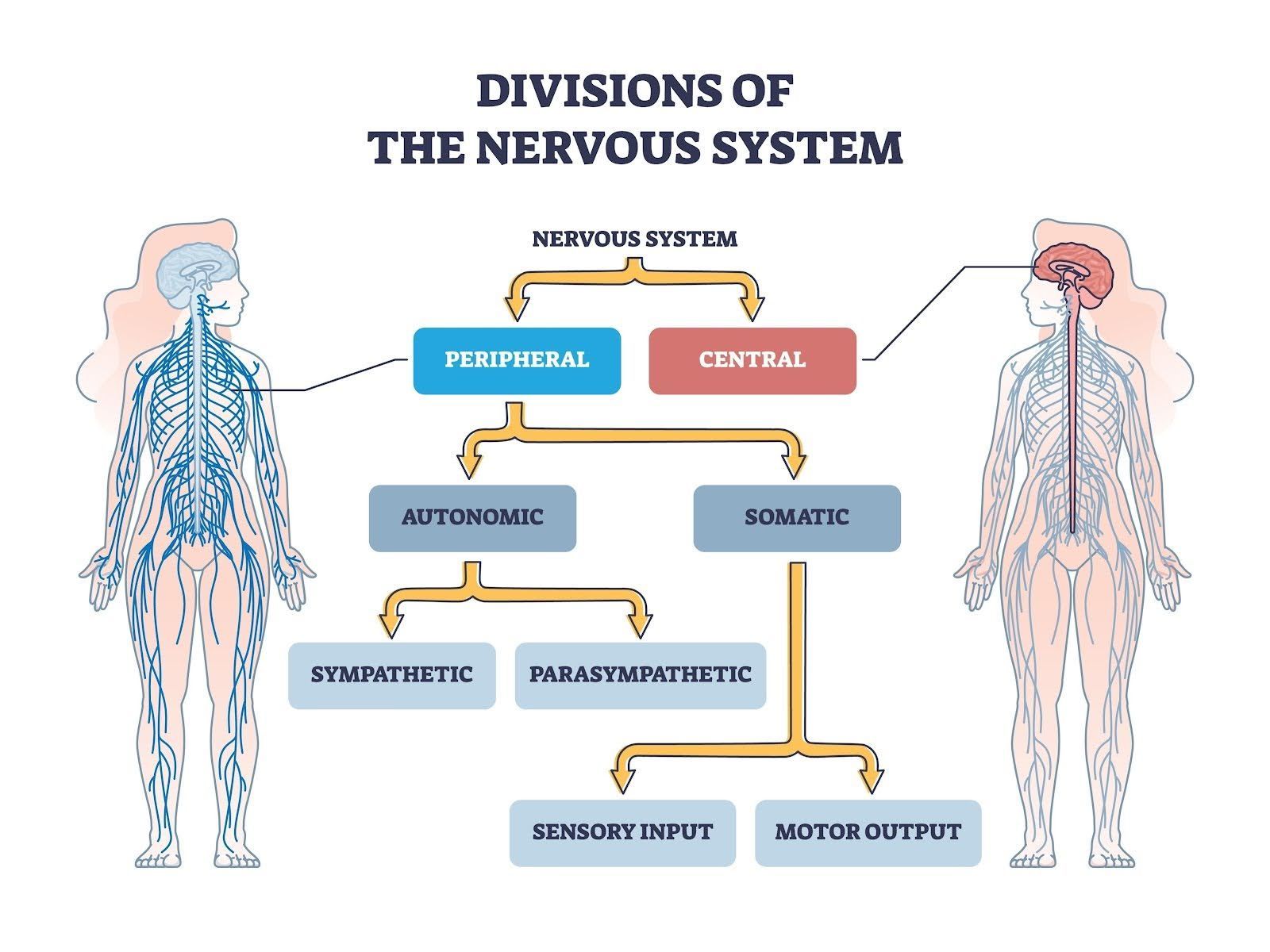
Key improvements included:
- Heart Rate Variability (HRV): Improvements in HRV, a key indicator of adaptability and stress resilience.
- Blood Pressure: Measurable regulation of blood pressure parameters
3. Immune & Endocrine Function
The nervous system and immune system are inextricably linked. The review noted that correcting spinal interference resulted in:
- Enhanced Immune Activity: Increases in neutrophil and monocyte activity (the white blood cells that fight infection)
- Hormonal Balance: Changes in cortisol (stress hormone) levels and short-term shifts in beta-endorphins
4. Brain & Cognitive Processing
Perhaps most fascinating is the effect of the adjustment on the brain. The data showed:
- Faster Reaction Times: Crucial for driving, sports, and daily safety.
- Improved Processing Speed: Better visual acuity and faster cognitive processing
- Cortical Activity: Altered patterns of brain activity, suggesting better neural efficiency.
5. Respiratory Function
- Lung Capacity: Increases in Forced Vital Capacity (FVC) and Forced Expiratory Volume (FEV-1) were observed, meaning better oxygenation for the body
The Mechanism: Why the Spine Affects the Whole Body
How does adjusting a bone in the back improve visual acuity or immune function? The answer lies in the nervous system
The spine is the armor for the spinal cord, the superhighway of information traveling between your brain and your body. When the vertebrae are misaligned—a condition known as
Vertebral Subluxation—it causes interference in that communication network.
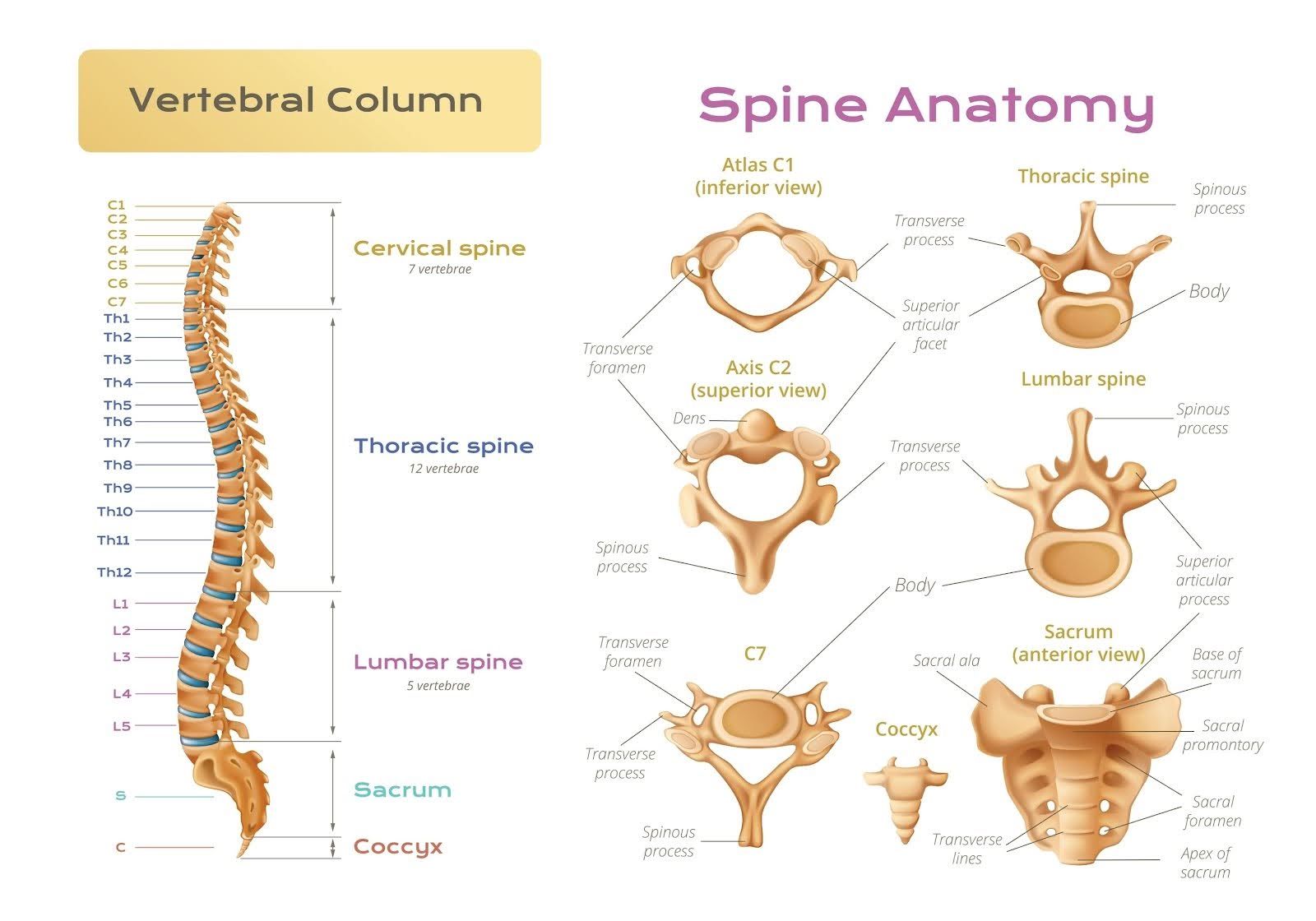
When a chiropractor corrects a subluxation, they aren't just moving a bone; they are restoring proper neurological signaling.
"Chiropractic care may benefit every function of the body because every function of the body is under the control of the nervous system." — Sean M. Hannon, DC
Redefining Health: Adaptability vs. Symptoms
In our culture, we tend to define health as "feeling fine". If we have no symptoms, we assume we are healthy. However, many disease processes (like heart disease or cancer) can develop for years before a single symptom appears.
The absence of symptoms does not equal the presence of health.
True health is adaptability—the body's ability to perceive the environment and adapt to it instantly. By keeping the nervous system free of interference, chiropractic care ensures that your body can adapt to stress, fight off invaders, and perform at its peak potential.
Who is Wellness Care For?
Based on the research, chiropractic is not limited to those with "bad backs" It is essential for:
- Performance Athletes: Looking to improve reaction time and biomechanics.
- Families: Parents who want to support their children's neurodevelopment and immune systems
- Professionals who require high cognitive processing speeds and effective stress management.
- Wellness Seekers: Individuals who want to take a proactive approach to their long-term health and well-being.
Take the Next Step for Your Health
You don't wait until your car engine explodes to change the oil, and you shouldn't wait for a health crisis to care for your nervous system. Whether you are in pain or simply want to ensure your body is functioning at 100%, a chiropractic evaluation is the first step toward living better
Frequently Asked Questions
Do I need a referral to see a chiropractor if I have no pain?
No, you do not need a referral. Chiropractic care is a primary healthcare profession. You can schedule an evaluation directly to assess your spinal health and nervous system function, regardless of whether you are currently experiencing symptoms.
What is the "Hannon Review"?
The Hannon Review is a landmark scientific paper titled "Objective Physiologic Changes and Associated Health Benefits of Chiropractic Adjustments in Asymptomatic Subjects." It aggregated data from over 20 studies to demonstrate that chiropractic adjustments provide measurable physiological benefits (like improved immunity and heart rate variability) in healthy people without pain.
Can chiropractic care help with stress?
Yes. Research indicates that chiropractic adjustments can help shift the body from a sympathetic ("Fight or Flight") state to a parasympathetic ("Rest and Digest") state. This can lead to improvements in Heart Rate Variability (HRV) and cortisol levels, which are key markers for how your body handles stress.
Is chiropractic safe for healthy people and athletes?
Yes. The studies reviewed specifically focused on "healthy," "normal," and "asymptomatic" subjects. Athletes often utilize chiropractic care not just for injury recovery, but for performance enhancement, including improved reaction times, balance, and muscle strength.
Disclaimer: The content provided in this blog is for informational purposes only and does not constitute medical advice. The information regarding the Hannon review and physiological changes is based on cited research but results may vary by individual. Always consult with a qualified healthcare provider for diagnosis and treatment of any medical condition.