


How to Sleep With Lower Back Pain: Best Sleeping Positions for Relief
Waking up with lower back pain can make it difficult to start your day comfortably. For many people, the pain feels worse in the morning because the spine has remained in the wrong position for several hours during sleep. Poor sleeping posture, an unsupportive mattress, or existing spinal issues can all contribute to nighttime discomfort.
If you’ve been searching for how to sleep with lower back pain, making small adjustments to your sleeping position and nighttime routine may help reduce pressure on your spine and improve sleep quality. Patients looking for the Best chiropractor in Houston Heights often seek solutions that address both daytime discomfort and nighttime spinal support.
At NuSpine Chiropractic Houston Heights, patients often ask why their lower back feels stiff or sore after sleeping. In many cases, the answer comes down to spinal alignment and sleep posture.
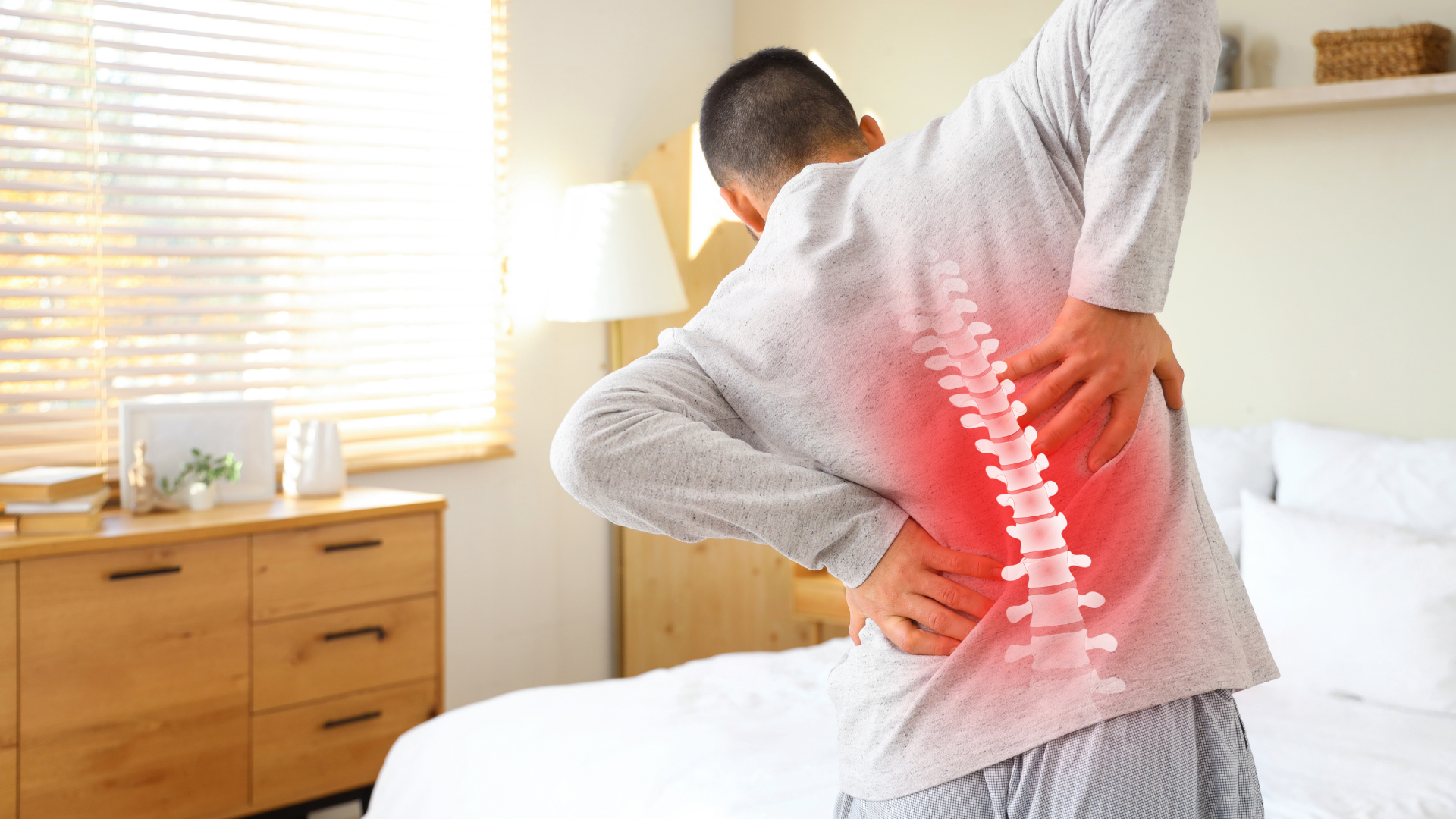
Why Lower Back Pain Gets Worse During Sleep
Lower back pain may intensify at night because the muscles and joints remain in the same position for hours at a time. Without proper support, pressure builds around the lumbar spine and surrounding tissues.
Common causes of sleep-related lower back pain include:
- Poor sleeping posture
- Lack of spinal support
- Muscle inflammation
- Herniated or bulging discs
- Tight hips and hamstrings
- Sagging mattresses
- Sciatica-related nerve irritation
Understanding the cause of your discomfort can help you choose a sleeping position that supports better spinal alignment.
Best Sleeping Positions for Lower Back Pain
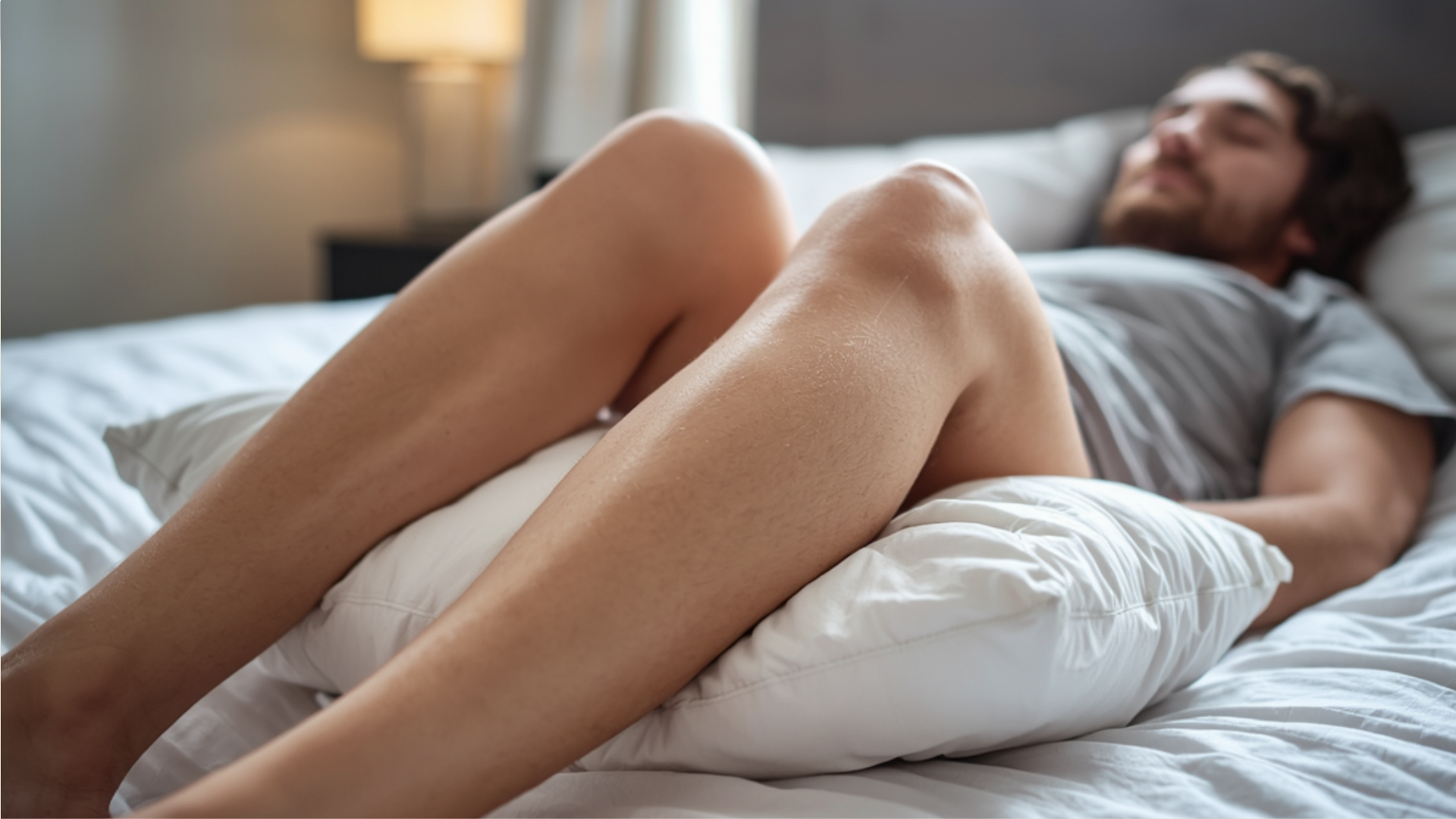
Side Sleeping With a Pillow Between the Knees
Side sleeping for lower back pain can also be highly effective when done correctly.
Placing a pillow between your knees helps align the hips, pelvis, and spine. Without knee support, the upper leg may rotate forward and pull the spine out of alignment during sleep.
Why Side Sleeping Helps Lower Back Pain
- Keeps the spine more aligned
- Reduces pressure on the hips and lower back
- May help relieve sciatica symptoms
- Supports better posture during sleep
This sleeping position may also benefit pregnant individuals and people with hip tightness.

Sleeping on Your Back With a Pillow Under Your Knees
Sleeping on your back is often considered one of the best sleeping positions for lower back pain because it evenly distributes body weight and helps maintain a neutral spine.
Placing a pillow under your knees helps reduce stress on the lumbar spine by supporting its natural curve.
Benefits of Sleeping on Your Back for Back Pain
- Reduces pressure on spinal discs
- Supports proper spinal alignment
- Minimizes muscle tension
- Helps distribute body weight evenly
For additional support, some people place a small rolled towel beneath the lower back.
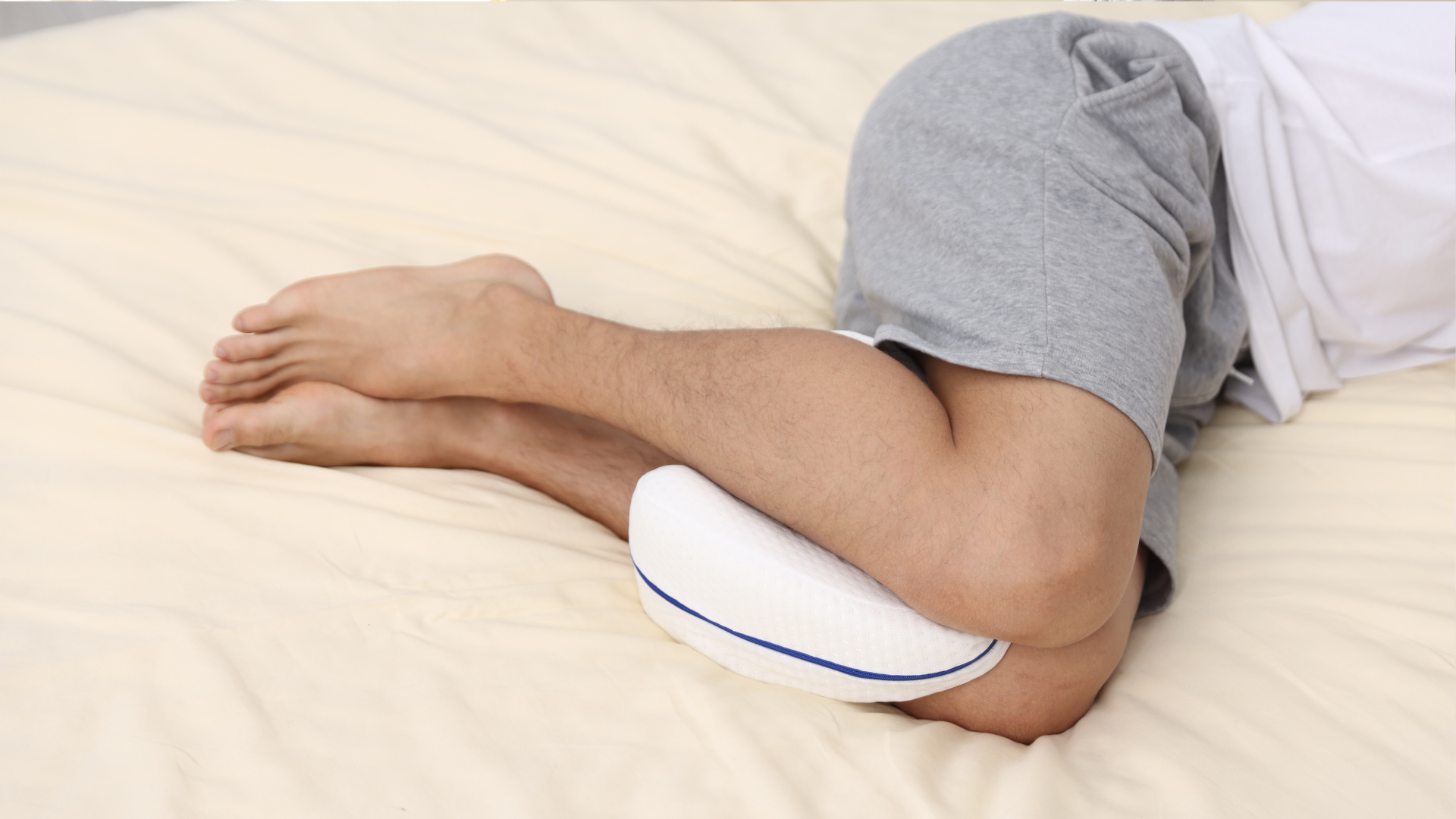
Fetal Sleeping Position for Herniated Disc Pain
Some individuals with herniated discs find relief sleeping in a loose fetal position.
Bringing the knees slightly toward the chest may help reduce pressure between the vertebrae and create more space around irritated spinal discs.
Tips for the Fetal Position
- Avoid curling too tightly
- Keep the spine relaxed
- Use supportive pillows for alignment
Overly curled sleeping positions may increase stiffness in the morning.
Worst Sleeping Positions for Lower Back Pain
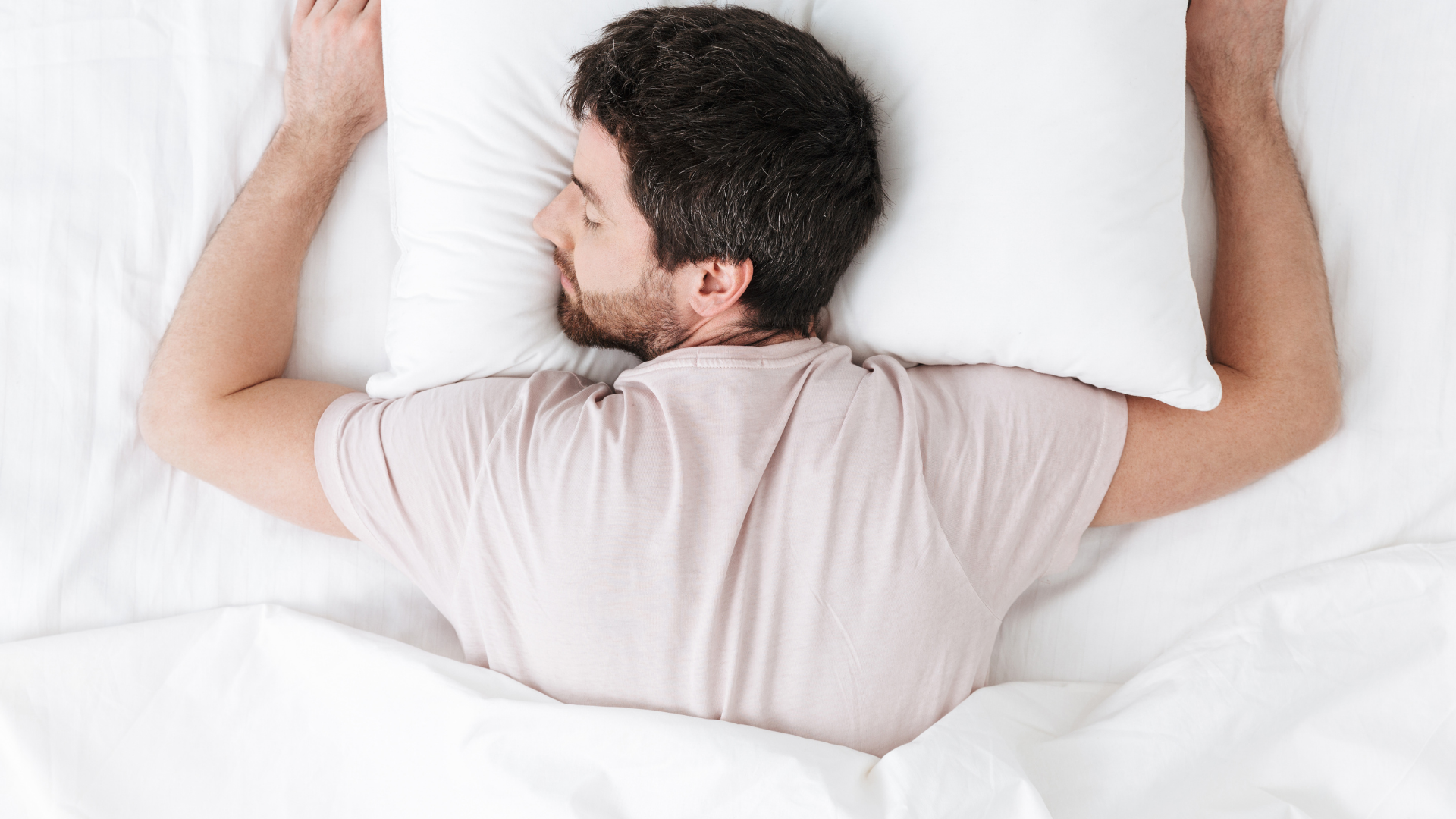
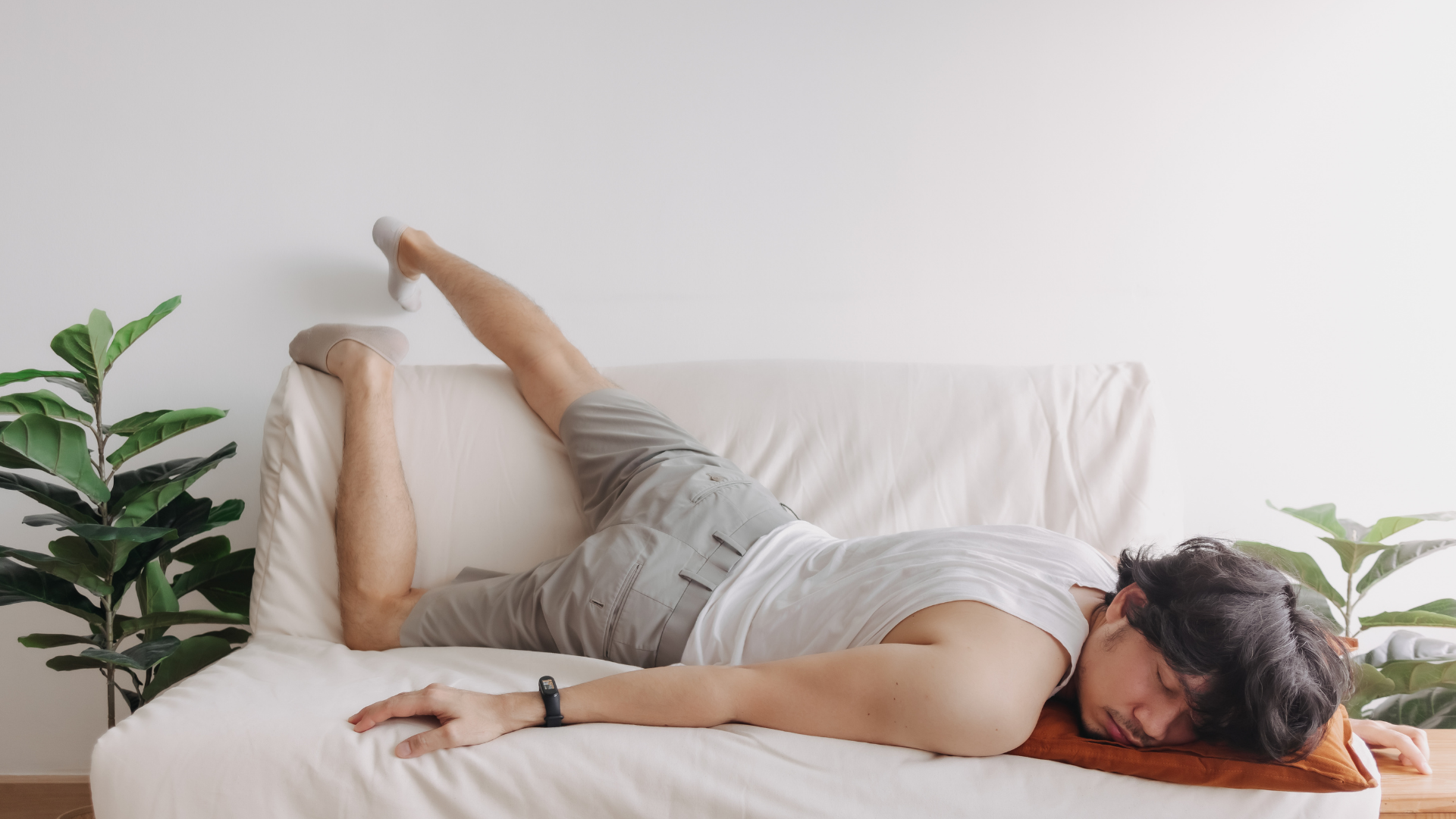
Twisted Sleeping Positions and Uneven Spinal Pressure
Sleeping with the torso twisted away from the hips can strain muscles, joints, and spinal discs overnight.
Over time, poor sleeping posture may contribute to chronic stiffness and inflammation.
Sleeping on Your Stomach Can Increase Lower Back Strain
Sleeping on your stomach is generally considered one of the worst positions for lower back pain because it places excess pressure on the spine and neck.
Why Stomach Sleeping May Cause Back Pain
- Flattens the natural spinal curve
- Increases lumbar pressure
- Forces the neck into rotation
- Creates uneven spinal alignment
If stomach sleeping is unavoidable, placing a thin pillow under the pelvis may help reduce lower back stress.
Best Mattress and Pillow for Lower Back Pain
Your mattress and pillow can significantly affect spinal support during sleep.
A mattress that is too soft may allow the body to sink unevenly, while one that is too firm can create pressure points around the hips and shoulders.
What Type of Mattress Helps Lower Back Pain?
Medium-firm mattresses are often recommended because they provide both support and cushioning.
Signs Your Mattress May Be Causing Back Pain
- Morning stiffness
- Visible mattress sagging
- Pain that improves after getting up
- Difficulty finding a comfortable sleep position
Your pillow should also support proper neck alignment without pushing the head too far forward.
Nighttime Tips to Sleep Better With Lower Back Pain
Stretch Before Bed to Reduce Muscle Tension
Gentle stretching before bed may help loosen tight muscles surrounding the lower back and hips.
Helpful Stretches for Lower Back Pain
- Child’s pose
- Cat-cow stretch
- Hamstring stretches
- Hip flexor stretches
Avoid aggressive stretching if pain worsens.
Use Heat Therapy Before Sleeping
Applying heat before bed may help relax tense muscles and improve circulation.
Using a heating pad for 15–20 minutes before sleep can help some individuals feel more comfortable at night.
Maintain Consistent Sleep Support
Frequently switching mattresses, couches, or sleeping positions may worsen back discomfort. Consistent spinal support often helps the body adapt to healthier sleeping habits over time.
When to Seek Treatment for Lower Back Pain
Occasional soreness is common, but persistent pain should not be ignored.
Signs You Should See a Chiropractor for Lower Back Pain
- Pain lasting several weeks
- Pain radiating down the legs
- Numbness or tingling
- Difficulty standing upright
- Sleep disruption caused by pain
In some cases, lower back discomfort may be connected to underlying conditions or lifestyle factors. Women, for example, may experience pain related to posture changes, hormonal shifts, or pelvic conditions. Learn more about what causes left lower back pain in females.
Can Chiropractic Care Help Lower Back Pain?
Chiropractic care focuses on spinal alignment, mobility, and musculoskeletal health. Depending on the underlying cause of pain, chiropractic treatment may help improve movement and reduce tension contributing to sleep-related discomfort.
At NuSpine Chiropractic Houston Heights, treatment plans are customized based on each patient’s symptoms, mobility, and lifestyle needs.
Final Thoughts on How to Sleep With Lower Back Pain
Finding the best way to sleep with lower back pain often starts with improving spinal support and reducing pressure on the lower back during the night.
Sleeping on your back with knee support, side sleeping with a pillow between the knees, and maintaining a supportive mattress may all help improve comfort and reduce morning stiffness.
If lower back pain continues despite changing your sleeping habits, professional evaluation may help identify the underlying cause and provide a more targeted treatment approach.