


What Causes Left Lower Back Pain in Females? Common Reasons and When to Seek Help
Quick answer
Left lower back pain in females is most commonly caused by
muscle or ligament strain,
sacroiliac (SI) joint dysfunction,
menstrual-related inflammation,
endometriosis, or
kidney conditions. Because the lower left side sits near the left kidney, left ovary, and lumbar spine, the cause can be musculoskeletal or organ-related — and telling them apart matters for choosing the right treatment.
Lower left back pain is one of the most common reasons women in Houston visit a spine specialist — yet it is one of the most misunderstood. The left side of your lower back is a surprisingly crowded neighborhood: lumbar vertebrae, the left sacroiliac joint, the left kidney, the left ovary, and surrounding soft tissue all share that space. Pain there can come from any of them. This guide breaks down each cause, how to recognize it, and when it is time to stop guessing and get a proper evaluation.
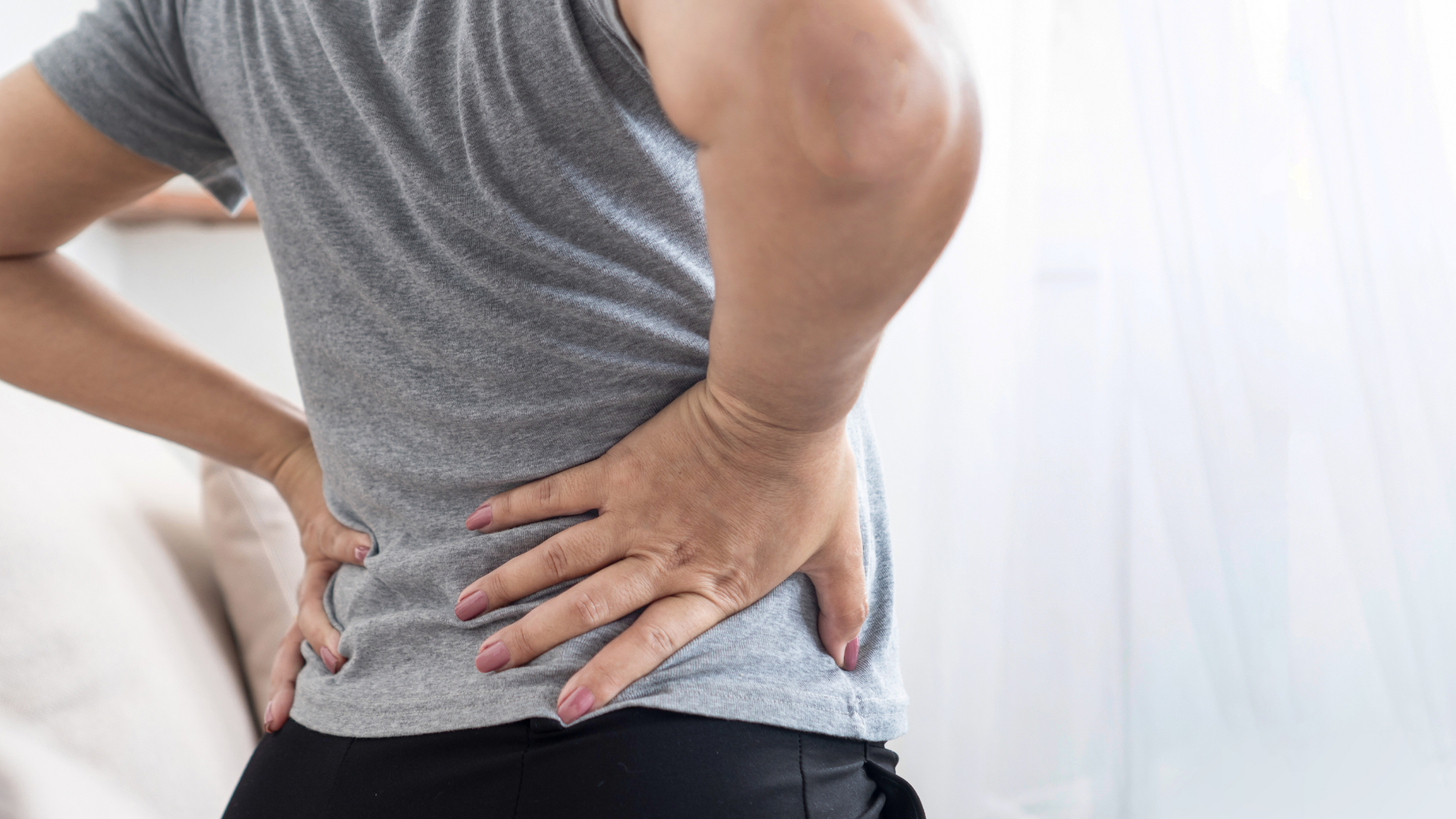
8 Causes of Left Lower Back Pain in Females — And How to Tell Them Apart
Not all left lower back pain is the same. Below each cause is described by type of pain, associated symptoms, and how common it is — so you can match your experience to the most likely explanation.
Musculoskeletal
1. Muscle strain and ligament sprain
The most common cause by far. Muscle fibers or ligaments in the lower back stretch or tear from overexertion, heavy lifting, a sudden awkward movement, or simply sitting hunched at a desk for too long. The pain is usually immediate and one-sided.
What it feels like: A dull ache or sharp pain that worsens when you bend, twist, or lift. Muscle spasms are common. Pain typically eases with rest and worsens with activity.
- Stiffness in the morning that improves after moving around
- Pain limited to the back — does not radiate down the leg
- Usually resolves within 2–4 weeks with proper care
Why the left side specifically: Most people have dominant movement patterns — favoring one side during sport, carrying a bag on one shoulder, or sleeping in one position — that can place asymmetric stress on the lumbar muscles.
Spinal / Structural
2. Sacroiliac (SI) joint dysfunction
The SI joints connect your lumbar spine to your pelvis on both sides. When the left SI joint becomes inflamed, stiff, or moves out of its normal range — due to injury, pregnancy, or repetitive stress — it produces pain in the exact lower-left back region where many women feel their chronic ache.
What it feels like: A deep, one-sided pain in the lower back or buttock that may radiate into the left hip or upper thigh. Often worse when climbing stairs, standing on one leg, or transitioning from sitting to standing.
- Pain that clicks or feels unstable at the pelvis
- Difficulty rolling over in bed
- Aggravated by walking long distances or standing on hard floors
SI joint dysfunction is especially common during and after pregnancy due to the hormone relaxin loosening pelvic ligaments. It is also frequently underdiagnosed.
Spinal / Structural
3. Herniated or bulging lumbar disc
The discs between your lumbar vertebrae act as shock absorbers. When the inner gel-like core pushes through the outer ring, it can press on nearby nerve roots. A disc herniation at the L4-L5 or L5-S1 level on the left side produces pain that is felt as left lower back pain — often with nerve symptoms down the leg.
What it feels like: Sharp or burning pain in the lower back that radiates into the left buttock, thigh, calf, or foot. Numbness, tingling, or weakness in the leg can accompany the back pain. Sitting for long periods typically makes it worse.
- Shooting or electric pain down the left leg (sciatica pattern)
- Worse when coughing, sneezing, or straining
- Relieved somewhat by walking or lying on your side
Female-Specific
4. Menstrual cramps and PMS-related back pain
During menstruation, the uterus releases prostaglandins to trigger contractions that shed the uterine lining. Those same chemicals cause inflammation that can radiate to the lower back. Because many women's uteruses tilt slightly to the left, left-sided lower back pain during a period is common and normal.
What it feels like: A dull, cramping ache that mirrors the rhythm of menstrual cramps. Usually starts 1–2 days before the period and resolves within the first few days. Accompanied by typical PMS symptoms.
- Pain closely follows the menstrual cycle
- Bloating, fatigue, and mood changes alongside the pain
- Improves with heat, NSAIDs, or after the period ends
Key distinction: If the back pain is severe, does not respond to NSAIDs, and continues outside the menstrual window, it is no longer typical PMS and may suggest endometriosis (see below).
Female-Specific
5. Endometriosis
Endometriosis occurs when tissue similar to the uterine lining grows outside the uterus — on the ovaries, fallopian tubes, bowel, or pelvic walls. When endometrial tissue is present on the left side of the pelvis, it produces referred pain in the left lower back, particularly around menstruation when that tissue swells and bleeds with no exit.
What it feels like: Deep, stabbing, or cramping pain in the lower left back, pelvis, or hip. Often cyclical (tied to the menstrual cycle) but can become constant in advanced stages. Sexual intercourse, bowel movements, and urination may be painful.
- Painful periods that worsen over time (dysmenorrhea)
- Pain during or after sex (dyspareunia)
- Digestive symptoms including bloating and pain during bowel movements during your period
- Infertility in some cases
Endometriosis affects roughly 1 in 10 women of reproductive age and takes an average of 7–10 years to diagnose. Chiropractic care cannot treat endometriosis directly, but it can address the secondary musculoskeletal tension and SI joint imbalances that worsen the pain experience.
Female-Specific
6. Left ovarian cysts or other gynecological causes
The left ovary sits in the lower left pelvis, making it a direct source of left-sided pain when a cyst forms, ruptures, or experiences torsion (twisting). Uterine fibroids located on the left side of the uterus can also cause referred left lower back pain due to pressure on surrounding structures.
What it feels like: A dull pressure or fullness in the left lower abdomen that extends to the back. A ruptured cyst or ovarian torsion produces sudden, severe pain that is a medical emergency.
- Pelvic pressure or bloating not tied to your cycle
- Frequent urination or feeling of fullness after small meals
- Sudden severe pain with nausea: seek emergency care immediately
Kidney / Organ-Related
7. Kidney infection or kidney stones
The left kidney sits behind the abdominal cavity in the left flank — which overlaps anatomically with where women feel "lower back" pain. A kidney infection (pyelonephritis) or kidney stone passing down the left ureter both produce pain in the left flank and lower back that is completely unaffected by movement or posture, distinguishing it from musculoskeletal pain.
What it feels like:
Kidney infection: Deep, constant ache in the left flank and lower back with fever, chills, nausea, and cloudy or foul-smelling urine. This is a medical emergency.
Kidney stones: Intense, wave-like pain that comes and goes — described by many patients as the worst pain of their lives. May radiate from the flank into the groin. Blood in urine is common.
- Pain that does not change with position or movement
- Fever, chills, or vomiting accompanying back pain
- Changes in urine color, odor, or frequency
Important: These are not conditions that chiropractic care treats. If kidney involvement is suspected, seek medical evaluation immediately.
Spinal / Structural
8. Spinal degeneration: osteoarthritis, degenerative disc disease, and osteoporosis
As women age — particularly around and after menopause — estrogen levels drop, which accelerates bone density loss and increases the risk of spinal conditions. Osteoarthritis of the lumbar facet joints, degenerative disc disease, and osteoporosis-related vertebral compression fractures can all cause persistent left lower back pain when degenerative changes are asymmetric or a fracture occurs on the left side.
What it feels like: A deep, stiff ache in the lower back that is worse in the morning, improves with gentle movement, and returns after prolonged activity. Nerve-related symptoms (radiating pain, numbness) may develop if stenosis is present.
- Gradual onset with no specific injury triggering the pain
- Morning stiffness lasting more than 30 minutes
- Pain that worsens with walking or prolonged standing (stenosis pattern)
- In osteoporosis: sudden severe pain after minimal trauma (compression fracture)
Why Left Lower Back Pain Affects Women Differently
Several biological and anatomical factors make women more susceptible to lower back pain — especially on the left side — than men.
How Hormonal Changes Make Women More Prone to Back Pain
Estrogen plays a central role in maintaining bone density, reducing inflammation, and supporting the connective tissue around spinal joints. Estrogen levels shift substantially during the menstrual cycle, pregnancy, perimenopause, and menopause — each phase creating windows of increased vulnerability. Research in Menopause Review confirms that postmenopausal women face significantly elevated rates of spinal osteoarthritis and vertebral fractures as estrogen production declines.
Pelvic Anatomy and Why It Creates Left-Sided Back Pain in Women
Women have a wider pelvis relative to body size, which creates a different angle between the femur and knee (the Q-angle) and places different rotational demands on the lumbar spine and SI joints. Women also have smaller SI joints, making those joints more susceptible to instability and dysfunction under the same mechanical loads that men's larger SI joints handle easily.
Pregnancy, Postpartum, and Left Lower Back Pain
Research published in BMC Pregnancy and Childbirth found that approximately 70% of pregnant women experience back pain at some point during pregnancy. The hormone relaxin loosens ligaments to prepare the pelvis for birth — but it also destabilizes the SI joints and lumbar spine. Postpartum, diastasis recti (separation of the abdominal muscles) can leave the lower back without adequate core support for months or years after delivery.
Referred pain from reproductive organs
The uterus, ovaries, and fallopian tubes share nerve pathways with the lumbar spine through the hypogastric and sacral nerve plexuses. This anatomical overlap means that inflammation or dysfunction in the reproductive organs is frequently interpreted by the brain as lower back pain — a phenomenon called visceral referred pain. This is why endometriosis, ovarian cysts, and menstrual inflammation so reliably produce lower back symptoms.
Symptoms of Left Lower Back Pain in Females: What Each Cause Feels Like
Use this table as a starting diagnostic guide — not a replacement for professional evaluation, but a way to identify which category of cause deserves further attention:
| Cause | Type of pain | Key distinguishing signs | Changes with movement? |
|---|---|---|---|
| Muscle strain | Localized ache or spasm | Follows a specific activity or injury | Yes — worse with movement, better with rest |
| SI joint dysfunction | Deep, one-sided ache | Worse on stairs, pivoting, or standing from seated | Yes — position changes aggravate it |
| Herniated disc / sciatica | Sharp, radiating | Shooting pain down the left leg | Yes — sitting worsens, walking may ease |
| Menstrual / PMS | Cramping, dull ache | Follows menstrual cycle, resolves after period | Minimal effect |
| Endometriosis | Deep, stabbing, cyclical | Painful sex, worsening periods over time | Minimal effect |
| Ovarian cyst | Pressure, fullness | Pelvic bloating, not cycle-dependent | Minimal effect |
| Kidney infection | Constant ache, flank | Fever, chills, urinary changes | No — unaffected by position |
| Kidney stones | Severe, wave-like | Blood in urine, radiates to groin | No — unaffected by position |
| Spinal degeneration | Deep stiffness, ache | Gradual onset, morning stiffness, age 40+ | Yes — improves briefly with movement |
When Left Lower Back Pain in Women Is a Medical Emergency
Seek care immediately if you experience:
- Fever or chills with back pain — kidney infection or systemic infection
- Sudden, severe left-sided pain with nausea — ovarian torsion or ruptured cyst
- Blood in your urine — kidney stones or other urological conditions
- Numbness, weakness, or loss of control of the bladder or bowels — cauda equina syndrome, a spinal emergency
- Back pain after a fall or trauma, especially in women with osteoporosis — possible vertebral fracture
- Pain that wakes you from sleep and does not ease with rest or movement — may indicate an inflammatory or systemic cause
- Unexplained weight loss alongside back pain
When to see a chiropractor vs. a medical doctor
- See a chiropractor first if: the pain is clearly musculoskeletal (follows movement, worsens with posture), there are no red-flag symptoms above, and the pain has not resolved after 1–2 weeks of self-care.
- See your medical doctor first if: you have any of the red flags above, you suspect a gynecological cause, or you notice urinary/bowel symptoms.
- Both if: you have a confirmed gynecological condition like endometriosis — chiropractic care can address the secondary musculoskeletal tension that amplifies pelvic pain.
How left lower back pain in females is diagnosed
Because the causes are so diverse, a thorough evaluation is essential before treatment begins. A proper workup for left lower back pain in women typically includes:
Clinical history
The most important step. A clinician will ask about the onset and timing of pain (tied to your cycle? after exercise? gradual?), the character of the pain (dull, sharp, radiating?), associated symptoms (urinary changes, pelvic symptoms, leg pain), and your obstetric and gynecological history. This information alone often narrows the cause significantly.
Physical examination
Orthopedic and neurological tests help isolate the source. SI joint provocation tests (FABER, Gaenslen), nerve tension tests (straight leg raise), and spinal range of motion assessment identify structural and nerve-related causes. Abdominal and flank palpation can identify tenderness consistent with kidney involvement.
Imaging
X-ray is useful for bony pathology (fractures, severe arthritis, alignment). MRI provides the clearest view of disc herniations, nerve compression, SI joint changes, and soft tissue. Ultrasound may be ordered if ovarian or uterine pathology is suspected.
Laboratory tests
A urinalysis can detect kidney infection or stones. Blood tests may be ordered if inflammatory conditions or systemic causes are suspected.
At NuSpine Chiropractic Houston Heights, every new patient begins with a comprehensive consultation and physical examination to identify the structural cause of the pain before any treatment is performed.
Treatment options for left lower back pain in females
Chiropractic Adjustments for Left Lower Back Pain in Houston Heights
For musculoskeletal causes — which account for the majority of left lower back pain in women — spinal manipulation is among the most evidence-supported conservative treatments available. Chiropractic care at NuSpine Houston Heights restores proper alignment to the lumbar vertebrae and SI joint, relieves nerve pressure, reduces muscle guarding, and improves mobility. Treatment is always tailored to the specific diagnosis and adapted for pregnancy, postpartum, or age-related considerations.
SI joint mobilization and soft tissue therapy
When the SI joint is the identified source of pain, targeted mobilization techniques restore normal joint movement. Soft tissue work addresses the surrounding musculature that tightens in response to joint dysfunction.
Heat and cold therapy
In the first 48–72 hours of an acute strain, ice reduces inflammation. Heat is appropriate for subacute and chronic muscle tension, promoting blood flow and relaxing spasms. Alternating between the two can be effective for many women.
Targeted exercise and rehabilitation
Core stabilization exercises strengthen the deep muscles that support the lumbar spine — reducing reliance on the superficial muscles that strain first. Stretches for the hip flexors, piriformis, and lumbar extensors address the specific tension patterns common in women who sit for long periods or carry the asymmetric load of pregnancy and childcare.
Hormonal and gynecological management
For pain tied to endometriosis, fibroids, or ovarian cysts, a gynecologist will guide hormonal treatment, medication, or surgical options. Chiropractic care integrates well alongside these treatments by reducing the musculoskeletal component of pain.
Lifestyle modifications
- Ergonomics: Lumbar support while seated, monitor at eye level, weight distributed evenly when standing
- Sleep position: Side sleeping with a pillow between the knees reduces left SI joint strain — learn more about how to sleep with lower back pain without making it worse
- Footwear: High heels increase lumbar lordosis and SI joint stress — limiting their use reduces chronic back strain
- Nutrition: Adequate calcium, vitamin D, and anti-inflammatory foods (omega-3 rich, low processed sugar) support bone health and reduce systemic inflammation
- Stress management: Elevated cortisol from chronic stress increases muscle tension and pain sensitivity — regular movement, sleep, and relaxation practices materially reduce lower back pain
How to Prevent Left Lower Back Pain in Women From Coming Back
Once the acute episode resolves, the goal shifts to preventing recurrence. The following strategies are most effective for women specifically:
- Maintain core strength year-round — not just during a pain episode. Pilates, yoga, and functional training all build the deep stabilizers that protect the lumbar spine
- Address hormonal changes proactively — talk to your OB-GYN about bone density screening after 40, particularly if you have a family history of osteoporosis
- Continue periodic chiropractic care — regular maintenance adjustments prevent the gradual misalignments that precede acute episodes
- Move regularly throughout the day — prolonged sitting is one of the strongest predictors of recurring lower back pain; set a timer to stand and move every 45–60 minutes
- Manage endometriosis and cycle-related symptoms proactively with your gynecologist, rather than waiting for acute flares
Frequently Asked Questions: Left Lower Back Pain in Females
Why does my left lower back hurt more during my period?
Prostaglandins released during menstruation trigger uterine contractions that can radiate pain to the lower back, particularly on the left side if the uterus tilts slightly left or if a left-ovary condition is present. This is normal PMS-related pain. If the pain is severe, does not respond to NSAIDs, or persists outside the menstrual window, it may signal endometriosis and warrants evaluation.
Can left lower back pain in women be a sign of something serious?
Most left lower back pain is musculoskeletal and not dangerous. However, certain symptoms are red flags: pain paired with fever and chills, pain with numbness or weakness down the leg, unexplained weight loss, or pain that wakes you from sleep and does not ease with rest. These warrant prompt medical evaluation.
How does chiropractic care help with left lower back pain in females?
Chiropractic adjustments address the structural causes of lower back pain — spinal misalignment, sacroiliac joint dysfunction, and nerve irritation — that are often the root of left-sided pain. At NuSpine Houston Heights, care plans are tailored to each patient's specific diagnosis, whether that is SI joint imbalance, disc pressure, or musculoskeletal strain.
Is left lower back pain in women different from right-sided pain?
The side matters for diagnosis. Left-sided pain is more often linked to the left kidney, left ovary, descending colon, or left-sided SI joint dysfunction. Right-sided pain more commonly involves the appendix, right ovary, or ascending colon. However, spinal conditions like herniated discs and muscle strains can cause pain on either side.
What exercises help with left lower back pain?
Gentle movements that stabilize the lumbar spine and reduce SI joint stress tend to help most: pelvic tilts, supine knee-to-chest stretches, bird-dog, and hip flexor stretches. However, exercising without knowing the root cause can worsen some conditions. A chiropractic evaluation helps determine which movements are safe for your specific situation.
How long does left lower back pain last in women?
Duration depends entirely on cause. A muscle strain typically resolves within 2–4 weeks with proper care. SI joint dysfunction may take 4–8 weeks of targeted treatment. Disc herniations often improve within 6–12 weeks with conservative care. Pain tied to endometriosis or structural degeneration requires ongoing management rather than a single resolution timeline.
Get a proper diagnosis and real relief at NuSpine Houston Heights
Left lower back pain has a specific cause — and knowing that cause is the difference between treating the right thing and wasting months on the wrong approach. Our chiropractors perform a thorough evaluation to identify your exact source of pain and build a personalized care plan to address it.
Disclaimer: This content is for educational purposes only and does not constitute medical advice. Always consult a qualified healthcare provider for diagnosis and treatment of any medical condition.